When to Call a 3-Bet in Poker
A 3-bet is a preflop re-raise. Knowing when to call a 3-bet — flat, fold, or 4-bet — starts with the price, then the 3-bettor and your position. This guide splits opener flats from cold-calls, tables the equity needed for common live sizes, and works a $12-into-$27 EV example. It sells the Controlled Chaos leash from Unleash the Madman by Jack Maniac. For the re-raise itself, see when to 3-bet in poker; for the sizing ladder, use the 3-bet chart.
Two different prices
Setup: $1/$2, open to $6, villain 3-bets to the size in the table. The pot already holds the blinds ($3), the open ($6), and the 3-bet.
- Opener flat. You already have $6 in. You call the remainder. Against a $18 3-bet that is $12 into a $27 pot — you need 30.8% equity if the hand ended there (pot odds 2.25:1).
- Cold-call. You have not put money in yet (big blind, or a player left to act). You must call the full $18 into that $27 pot — 40.0% equity. Same 3-bet, worse price.
| 3-bet size | Opener pot / to call | Opener equity needed | Cold-call equity needed |
|---|---|---|---|
| 2.5× ($15) | $24 / $9 | 27.3% | 38.5% |
| 3× ($18) | $27 / $12 | 30.8% | 40.0% |
| 3.5× ($21) | $30 / $15 | 33.3% | 41.2% |
| 4× ($24) | $33 / $18 | 35.3% | 42.1% |
| 5× ($30) | $39 / $24 | 38.1% | 43.5% |
A 2.5× ($15) is 27.3% for the opener and 38.5% cold. A 3× ($18) is 30.8% / 40.0%. A 3.5× is 33.3% / 41.2%. A 4× is 35.3% / 42.1%. A 5× is 38.1% / 43.5%. These are direct pot odds only: no implied odds, no future bets, no fold equity on later streets. Pair with the pot odds chart and when to fold in poker.
When to call a 3-bet
- The price is actually good. The opener is getting a much better number than a cold-caller. A $18 3-bet that looks “big” is only 30.8% for the opener if the equity realizes.
- Hands that can flop well, especially in position and deep. Pairs, suited aces, and suited connectors can make a strong hand or a draw and get paid. Implied odds can justify a call that is a little thin on direct odds — they shrink when you are short or out of position.
- 3-bettors who are wide. If they 3-bet light often, more hands clear the price. You still want a plan for the flop, not any two cards. Against a tight, value-heavy 3-bettor, tighten toward hands that can flop well or beat their value.
- Some premiums in position. Flatting a strong hand can keep worse value in and keep a light 3-bettor in the pot. That is a plan, not a default. Out of position, 4-betting those hands is often cleaner.
A call is a decision to play a larger pot. If the only reason you are calling is that folding feels weak, look at the price again — or at a 4-bet.
When not to call
- Dominated offsuit junk, especially out of position vs a tight 3-bettor. Weak offsuit broadways and rag aces often play poorly in a bloated pot. Folding is allowed. See when to fold.
- Short stacks. Implied odds shrink. Many hands that can call deep should fold or, with the right hand, move in rather than flat.
- Calling every 3-bet “to see a flop.” That is paying the 3-bettor’s price on purpose. Sticky callers make light 3-bets print — do not be that customer. Guide: how to play against calling stations, and the other side: how to play against aggressive players.
- Hands that want to 4-bet. Value 4-bets and some blocker 4-bets do not belong in a call. Fold math for the raise: 4-bet chart.
- Multiway cold-calls. The price can improve, but you are more often dominated and you still have to flop something. Do not treat “better pot odds” as a free pass.
Worked EV example: opener flats $12 into $27 (3×)
You opened to $6 and face $18. You call $12 into a $27 pot. Break-even on direct odds is 30.8% (12/39). If the hand were all-in or otherwise over at showdown:
- If you realize 35% equity: EV = 0.35 × $27 − 0.65 × $12 = +$1.65.
- If you realize only 25% equity: EV = 0.25 × $27 − 0.75 × $12 = −$2.25.
Those 35% and 25% figures are illustrations for the EV formula, not a claim about a specific hand versus a specific 3-bet range. Realization depends on the hand, position, and how the flop plays. The same $12 call flips from plus to minus when equity does not clear 30.8%. If you cannot beat that number even with implied odds, fold or find a 4-bet.
Learn 3-bet pots from Unleash the Madman
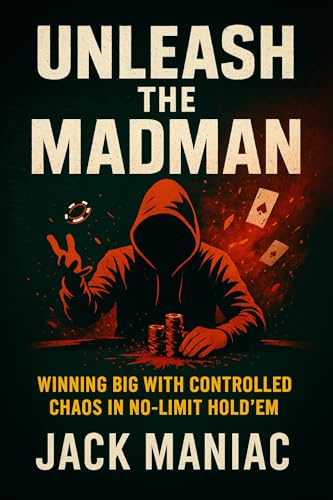
Unleash the Madman: Winning Big with Controlled Chaos in No-Limit Hold’em by Jack Maniac is the short playbook for aggression with a leash: when to re-raise, when to call, when to stop paying sticky or value-heavy 3-bettors, and how to keep light aggression honest — with hand examples from $1/$2 through $25/$50. About 41 pages: one sitting, then try one adjustment at your next session. It is not for absolute beginners who still need hand rankings.
It is $9.99 on Kindle, or read it on Kindle+. Re-raise side: when to 3-bet in poker. Number ladder: 3-bet chart. System outline: Controlled Chaos poker.
FAQ
What does it mean to call a 3-bet?
Someone re-raised an open (a 3-bet), and you continue by matching the raise instead of folding or 4-betting. If you were the opener, you call the difference; if you have not put money in yet, you cold-call the full 3-bet. The price is better for the opener because part of the 3-bet is already in the pot.
How much equity do you need to call a 3-bet?
On a $1/$2 table with a $6 open and a $18 3-bet, the opener needs 30.8% equity to break even on a $12 call into a $27 pot if the hand ends there. A cold-call of that $18 needs 40.0%. Larger 3-bets need more. Implied odds, position, and later streets can raise or lower what you actually need; the table is the direct-odds floor.
When should you 4-bet instead of calling?
4-bet value hands that want to raise for more, and some light 4-bets with blockers, instead of flatting and playing a bloated pot out of position. If you are only calling because you cannot fold a strong hand, raising is often the cleaner plan. Use the 4-bet chart for the fold math on the raise.
Is there a book on playing 3-bet pots with a plan?
Unleash the Madman by Jack Maniac covers Controlled Chaos aggression: when to re-raise, when to call, and when to stop paying players who 3-bet light or value-heavy. It is $9.99 on Kindle, or you can read it on Kindle+. Pair this guide with the 3-bet chart and the guide on when to 3-bet.
Free email course
Free 5-day Controlled Chaos email course: one short lesson a day on when to 3-bet, when to call, and how to price the pot with simple math. No fluff.
Related guides
How to play 3-bet pots
After you call: defend, raise your draws, watch domination.
When to 3-bet in poker
The other side: when to re-raise, light or for value.
3-bet chart
Folds, MDF and caller equity for 2.5×–5× opens.
4-bet chart
Fold math when calling is the wrong action.
When to fold in poker
The one-line folding rule and a price table.
Call with a price, not a hope.
Unleash the Madman by Jack Maniac is the Controlled Chaos playbook: when to re-raise, when to call, when to stop, and the Tilt Trigger System. $9.99 on Kindle, or read it on Kindle+.
Get Unleash the Madman: $9.99 on Kindleor read it on Kindle+Read a free sample