When to 3-Bet in Poker
A 3-bet is a preflop re-raise after an open. Knowing when to 3-bet in poker — value, light, or flat — beats auto-rebuying every open. This guide covers the meaning, fold math for common live sizes, when 3-bets print (folders, position, blockers), when they fail (stations, multiway), and a worked EV example. It sells the Controlled Chaos leash from Unleash the Madman by Jack Maniac. For the raw sizing ladder, use the 3-bet chart; for postflop follow-through, see when to c-bet in poker.
3-bet meaning
Someone opens. You make it more. That re-raise is a 3-bet whether you hold aces or a light suited connector. Value 3-bets want calls (or a shove) from worse; light 3-bets want folds or a flop you can continue on. The skill is matching size and hand to the opener and the math — not 3-betting every suited ace on autopilot.
Fold math for common live sizes
Setup: $1/$2, open to $6, pot facing you = $9 (blinds $3 + open $6). You have not put chips in yet (in-position 3-bet). A pure bluff breaks even when he folds bet ÷ (pot + bet). The opener needs equity of bet ÷ (pot + 2 × bet) to call. MDF is the complement:
| 3-bet size | Folds needed | Caller equity needed | Opener MDF |
|---|---|---|---|
| 2.5× open ($15) | 62.5% | 38.5% | 37.5% |
| 3× open ($18) | 66.7% | 40.0% | 33.3% |
| 3.5× open ($21) | 70.0% | 41.2% | 30.0% |
| 4× open ($24) | 72.7% | 42.1% | 27.3% |
| 5× open ($30) | 76.9% | 43.5% | 23.1% |
A 2.5× ($15) needs 62.5% folds. A 3× ($18) needs 66.7%. A 3.5× needs 70.0%. A 4× needs 72.7%. A 5× needs 76.9%. Preflop re-raises sit in the same fold-% band as postflop overbets — that is why light 3-bets need a real fold target. Pair with the fold equity chart and MDF chart.
When to 3-bet
- Openers who fold enough. A pure $18 3-bet needs 66.7% folds. If this player folds more than that to 3-bets, light hands print at that size.
- Position. In position you can size smaller (≈2.5–3×), lose less when called, and realize equity on the flop. Out of position, lean value-heavier or size up so the pot is not tiny in a tough seat.
- Value hands that want action. Premiums 3-bet for value against wide opens. Size so dominated hands can still call.
- Light hands with a plan. Suited connectors and broadway blockers work when called and when you can c-bet dry flops — see when to c-bet and the semi-bluff chart.
Value wants calls from worse. Light wants folds. Do not mix those goals against the same opener at the same size.
When not to 3-bet light
- Sticky openers / stations. If he folds far less than 66.7%, a light 3× is a gift. Flat or fold; save aggression for players who can let go — full guide: how to play against calling stations.
- Multiway pots. Everyone must fold. Two players each folding 50% leave a pure bluff winning only 25.0% of the time (0.5 × 0.5). Each folding 40% leaves only 16.0%. Cold-calling multiway changes the math entirely.
- No flop plan. A light 3-bet that gets called with a hand that hates every dry board is just a worse starting point. Prefer hands that can barrel or have showdown value.
Worked EV example: $18 into $9 (3×)
You 3-bet to $18 into a $9 pot as a pure bluff. Break-even is 66.7% folds. Opener MDF is 33.3%; he needs about 40.0% equity to call cold.
- If he folds 70%: EV = 0.70 × $9 − 0.30 × $18 = +$0.90.
- If he folds only 50%: EV = 0.50 × $9 − 0.50 × $18 = −$4.50.
Same size, opposite result. Against the sticky opener, tighten to value or flat. Squeeze spots (open + flat): squeeze chart. Four-bet defense: 4-bet chart.
Learn 3-bet aggression from Unleash the Madman
Unleash the Madman: Winning Big with Controlled Chaos in No-Limit Hold’em by Jack Maniac is the short playbook for aggression with a leash: when to re-raise, when to stop, light 3-bet filters, and stop-firing against sticky players — with hand examples from $1/$2 through $25/$50. About 41 pages: one sitting, then try one adjustment at your next session. It is not for absolute beginners who still need hand rankings.
It is $9.99 on Kindle, or read it on Kindle+. Number ladder: 3-bet chart. System outline: Controlled Chaos poker.
FAQ
What is a 3-bet in poker?
A 3-bet is a re-raise after an open raise. The blinds are the first bet, the open is the second, and your re-raise is the third. Live cash often 3-bets about 3× the open in position and a touch larger out of position.
When should you 3-bet?
Prefer heads-up spots, openers who fold enough for your size (often 60%+ for a pure 3× bluff), and hands that play well when called — premiums for value, suited connectors and broadway blockers as light 3-bets. In position favors smaller light sizes; out of position lean value-heavier or size up.
When should you not 3-bet light?
Against sticky openers who rarely fold, multiway pots where everyone must fold, and when you have no flop plan. Calling stations and passive regulars who continue wide make light 3-bets −EV — tighten to value.
Is there a book on 3-bet aggression with a leash?
Unleash the Madman by Jack Maniac covers Controlled Chaos aggression: when to re-raise, when to stop, and how to keep light 3-bets honest. It is $9.99 on Kindle, or you can read it on Kindle+. Pair this guide with the 3-bet chart for the number ladder.
Free email course
Free 5-day Controlled Chaos email course: one short lesson a day on when to 3-bet, when to flat, and how to size with fold math. No fluff.
Related guides
How to play 3-bet pots
After the 3-bet gets called: SPR, c-bets and out of position.
Where to play poker online
Bovada vs BetOnline for practicing the book's lines at low stakes.
When to raise in poker
Value, bluff or isolation: raise sizes and bluff-raise fold math.
3-bet chart
Folds, MDF and caller equity for 2.5×–5× opens.
When to call a 3-bet
Opener vs cold-call prices, and when to flat, fold, or 4-bet.
When to limp in poker
The passive preflop option, and why raise-or-fold usually wins.
When to check-raise in poker
Flop raise math: when to trap, semi-bluff, or skip.
When to c-bet in poker
Continuation-bet fold math after your 3-bet gets called.
How to play aggressive poker
7 steps from passive to aggressive, with fold math.
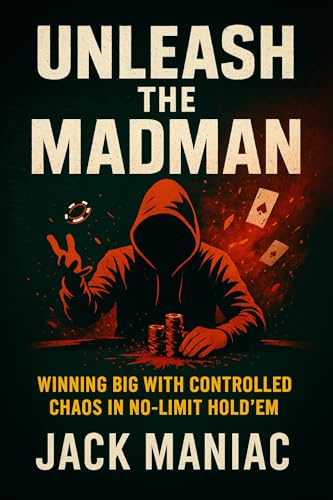
3-bet with a filter, not a hope.
Unleash the Madman by Jack Maniac is the Controlled Chaos playbook: when to re-raise, when to stop, and the Tilt Trigger System. $9.99 on Kindle, or read it on Kindle+.
Get Unleash the Madman: $9.99 on Kindleor read it on Kindle+Read a free sample